

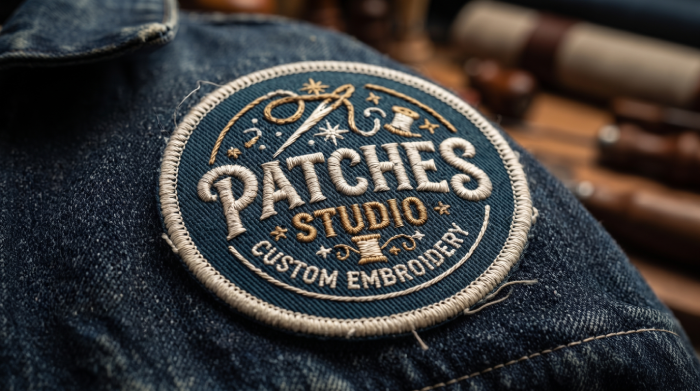
In a saturated marketplace where flat screen prints easily fade from consumer memory, custom embroidery patches have emerged as the premier way to introduce premium, tactile dimension to modern apparel. From streetwear capsules and elite sports teams to corporate employee uniforms, embroidery adds an authentic element of luxury, durability, and identity.
The global demand for high-quality embroidery patches is surging. Modern production techniques make it easier than ever for brands to transition from basic digital concepts to wearable art. Whether you are searching for premium embroidery near me, launching a boutique fashion line, or outfitting a national workforce, this comprehensive industry guide covers the technical machinery, essential supplies, and 2026 design breakthroughs needed to build standard-setting gear.
1. The 2026 Trend Wave: Why Clothing Patches Rule Modern Streetwear and Branding
The resurgence of clothing patches embroidery is a direct response to consumer fast-fashion fatigue. Today’s audiences crave texture, structural weight, and longevity in their apparel qualities that traditional ink printing simply cannot deliver. According to fashion manufacturing insights from the Printful 2026 Embroidery Report, embroidered custom patches are a top choice for e-commerce brands due to their immense versatility and high retail profit margins.
Minimalist Line Art vs. Oversized Statement Panels
The current landscape is dominated by two massive aesthetic shifts. On one end, Gen Z consumer trends favor ultra-clean minimalist line art single-thread designs that trace abstract forms on delicate shirt cuffs or pockets. On the other end, heavy-duty streetwear brands are deploying massive, chest-to-back statement patches utilizing intricate applique mixed-media designs.
The Evolution of Custom Hat Embroidery
Headwear personalization remains one of the most profitable sectors in the textile industry. High-volume search trends for custom hat embroidery and general hat embroidery highlight a massive corporate and retail market.
| THE 2026 HEADWEAR DESIGN CHALLENGE | |||
|---|---|---|---|
| Direct Embroidery | Risks puckering | Needle deflection | Text warp |
| Standalone Patch | Flawless symmetry | crisp borders | 100% precision |
Embroidering directly onto structural panels like structured snapbacks, unstructured dad hats, or winter beanies requires intense technical calibration. If the hoop tension is off by a millimeter, the design warps and the needle snaps. Utilizing standalone patches allows brands to bypass these curvature layout issues completely, delivering pristine, sharp-edged imagery onto any cap style.
2. The Tech Stack: Matching Advanced Machinery with Premium Supplies
Achieving a flawless, retail-ready finish requires matching your production scale with the proper hardware and stable structural foundations.
From Beginner Rigs to Industrial Powerhouses
The market for an embroidery machine for sale scales across distinct operational levels:
- The Learning Phase: For creators mastering the fundamentals, utilizing an embroidery machine for beginners or a hybrid sewing and embroidery machine is highly recommended. Computerized entry models like the Brother PE535 or the versatile Brother PE800 feature user-friendly touchscreens and 5″×7″ frames, perfect for testing custom sample patches.
- The Commercial Standard: To execute volume orders, industrial facilities deploy a multi-needle computerized embroidery machine from brand giants like Tajima or Ricoma. These specialized hat embroidery machine configurations feature 270-degree curved frame assemblies that spin cap panels under high-speed needle clusters at up to 1,200 stitches per minute.
Essential Tooling and Supplies
Even the best embroidery machine will yield subpar results if paired with cheap materials. Commercial-grade patches rely on a robust ecosystem of supplies:
- The Structural Base: Pre-shrunk polyester twill acts as the ideal canvas. To prevent the dense needle strikes from warping the fabric, choosing the correct heavy-duty cut-away embroidery stabilizer is absolutely mandatory.
- Threads & Cutting Tools: Industrial patches demand high-tensile polyester embroidery thread to resist chemical bleaching and snapping under high production speeds. For handcrafted decorative details or vintage accents, classic DMC embroidery floss remains the global favorite. Keep precision embroidery scissors and titanium embroidery needles on hand to avoid messy trimming errors.
3. The Digital Blueprint: Software, Micro-Stitches, and Technical Precision
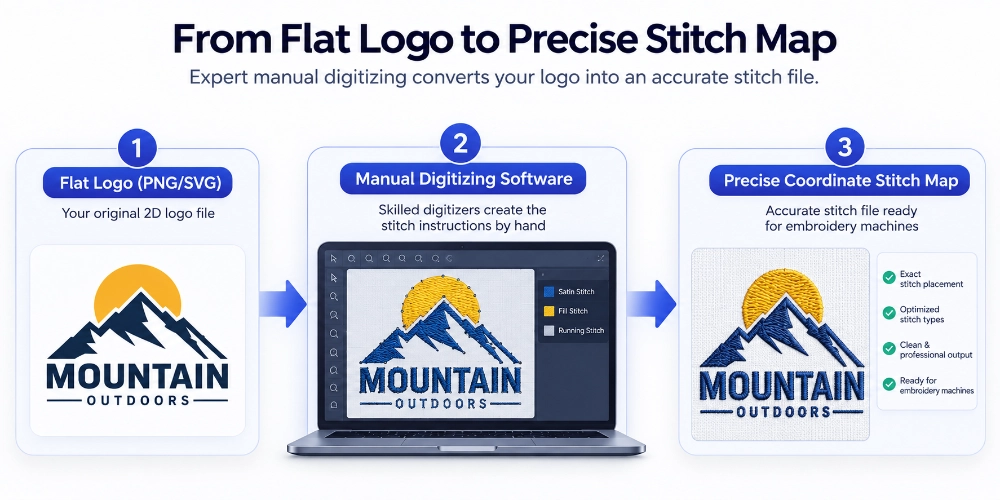
An embroidery system cannot read a simple JPEG or PNG image file. Flat graphic design files must be meticulously translated into coordinate stitch maps through a process called digitizing.
The Role of Embroidery Software
Using expert embroidery digitizing software like PatchCAD or Wilcom Embroidery Studio allows programmers to determine exact stitch paths, needle directions, and thread densities. Auto-converted internet files often create messy thread “bridges” that ruin physical patches; true professional files require manual pathing layout.
Advanced Stitch Techniques
Modern patches leverage diverse machine embroidery designs to create unparalleled depth. Beyond standard satin fills for bold lettering, advanced software configurations allow designers to integrate heritage accents into their layouts. Creative digital archives like the Embroidery Library showcase thousands of pre-mapped structures utilizing traditional sashiko embroidery, structural crewel embroidery, or decorative French knot embroidery to create mesmerizing, multi-textured surfaces.
4. Designing for Longevity: Selecting the Perfect Application Method
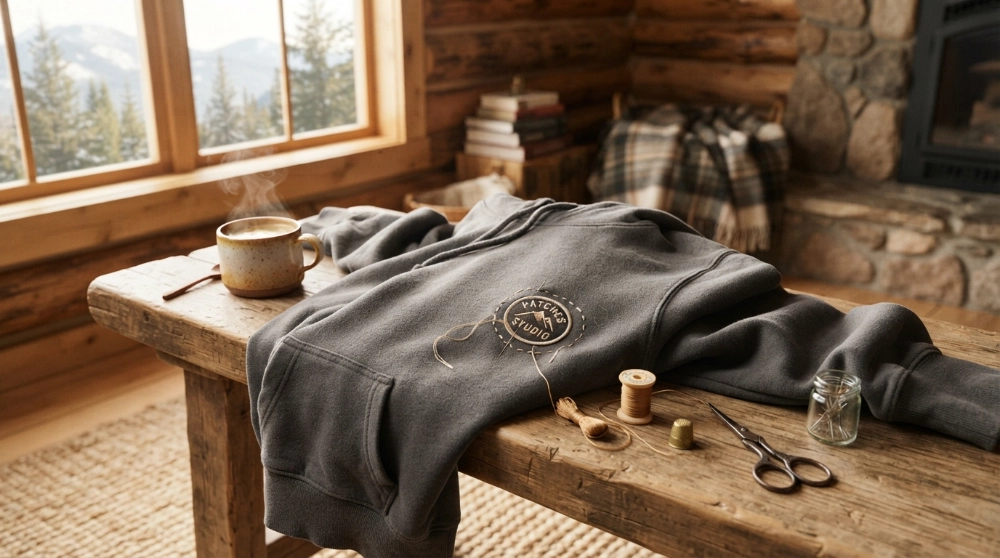
A brilliant design will fail if the mounting style doesn’t match the garment’s daily environment. Choosing the right backing ensures your brand insignia outlasts the fabric it is pressed onto.
- Iron-On (Heat Seal Backing): Features a heat-activated adhesive layer. It is highly convenient for quick retail fashion applications on denim, fleece, or canvas. For step-by-step heat press timing and safety guidelines, see the Printful Patch Application Guide.
- Sew-On: The absolute gold standard for heavy workwear, rugged outerwear, and industrial uniforms. It features no adhesive backing, allowing the patch to remain flexible and survive intense hot-water laundry cycles.
- Velcro (Hook and Loop): Essential for tactical units, security personnel, and athletic teams who need to switch out nameplates, ranks, or league insignias instantly.
Frequently Asked Questions (FAQ)
What is the difference between an embroidery design file and a standard image file?
A standard image file contains flat pixel color data. An embroidery file must be built via specialized digitizing software to instruct the sewing machine needles on exact paths, density levels, jump-stitch cuts, and trim sequences.
What is the minimum font size for readable text on a patch?
To ensure your embroidery fonts remain completely sharp and legible, text should maintain a minimum physical height of 0.25 inches. Anything smaller risks blurring together into an unreadable knot of thread during high-speed machine runs.
What is the minimum font size for readable text on a patch?
To ensure your embroidery fonts remain completely sharp and legible, text should maintain a minimum physical height of 0.25 inches. Anything smaller risks blurring together into an unreadable knot of thread during high-speed machine runs.
How many colors can a single patch include?
Most embroidery machines can handle a wide range of thread colors in one design, but every additional color adds a thread change and more production time. For the cleanest look and fastest turnaround, keep detailed logos to 6-8 colors and reserve larger color counts for simpler, bolder designs.
How do I locate a reliable production workspace for physical branding?
In a saturated marketplace where flat screen prints easily fade from consumer memory, custom embroidery patches have emerged as the premier way to introduce premium, tactile dimension to modern apparel. From streetwear capsules and elite sports teams to corporate employee uniforms, embroidery adds an authentic element of luxury, durability, and identity.
Bring Your Corporate and Retail Branding to Life Today
Attempting to master the intricate nuances of embroidery design, dense digitizing software maps, and temperamental industrial sewing systems on your own can quickly turn into an expensive, frustrating bottleneck for your business. Avoid the steep technical learning curve and secure retail-ready results on your very first run.
Whether you need a specialized short run of custom insignia with no minimum restrictions or thousands of high-density embroidered patches for a national launch, let the industry professionals manage your production pipeline. Bring your design vision to life today at Patches Studio.